Unlocking Creativity with 3D Pattern Backgrounds for Modern Design
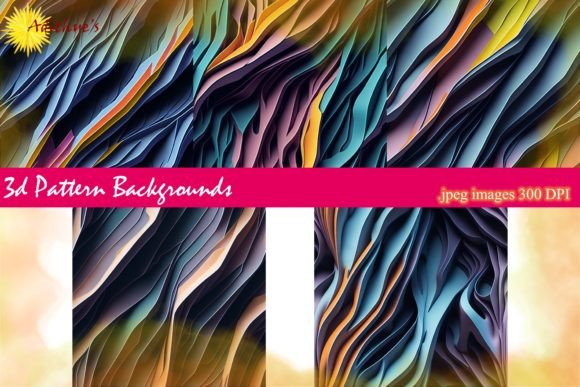
In the fast-paced world of digital and print design, finding versatile assets that solve multiple problems is a game-changer. Many creators struggle with visual flatness or generic stock imagery that fails to capture attention. This is where high-quality 3D Pattern Backgrounds enter the conversation. These aren't just simple repeating tiles; they are complex, immersive visual environments that add instant depth, texture, and sophistication to any project. For designers, entrepreneurs, and content creators, having a library of these assets means having a secret weapon for professional-grade output. The specific collection we're discussing—a ZIP folder containing five distinct images in .JPEG format—offers a powerful toolkit. Each file is a substantial size, well above 4000 pixels, and rendered at 300 DPI, ensuring crisp, print-ready results from the moment you download.
The Visual Character: More Than Just a Surface
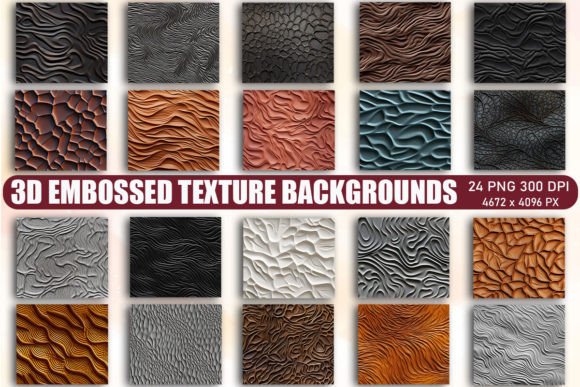
So, what defines the visual personality of a 3D Pattern Background? Think beyond a flat wallpaper. These assets simulate light, shadow, and perspective to create an illusion of three-dimensional form. You might encounter intricate geometric lattices that appear to recede into space, organic textures with a tactile, almost touchable quality, or abstract, flowing shapes with a sense of movement. The style often leans modern and sophisticated, but the range can vary from sleek, metallic surfaces ideal for tech branding to warm, terrazzo-like patterns perfect for lifestyle packaging. The overall appeal lies in their ability to command attention without overwhelming the foreground content. They provide a dynamic stage that makes logos, text, and product shots pop, directly influencing visual hierarchy and brand perception. When used consistently, they become a recognizable element of a brand's identity, enhancing professionalism and audience recognition.
The true strength of this design asset category is its chameleon-like adaptability. A single 3D pattern can be the foundation for a cohesive brand ecosystem. For a small business owner, one background texture could seamlessly appear on a website header, a social media story template, the cover of a digital brochure, and the back of a physical business card. This consistency is a cornerstone of effective brand strategy. It eliminates the jarring disconnect that comes from using mismatched design elements and builds a subconscious sense of reliability and quality in the viewer's mind. The files provided are large and high-resolution, meaning they won't pixelate or degrade when scaled for different applications, from a tiny favicon to a large-format poster or a printed tote bag.
Practical Applications Across Your Creative Workflow
Knowing where to deploy these backgrounds is key to maximizing their value. Their utility spans a remarkable breadth of projects, making them a wise investment for anyone in a creative field. For apparel designers and those in the Print-on-Demand (POD) space, these patterns can serve as the entire design for a bold t-shirt or as a subtle accent on a sleeve. The high resolution ensures the print will be sharp and professional. In the realm of stationery and invitations, a textured 3D background can set the tone for a wedding suite, a birthday greeting, or a thank-you card, offering a tactile feel that digital screens can only approximate.
For digital creators and marketers, the applications are equally potent. Use them as backgrounds for Instagram carousels, YouTube thumbnail designs, or podcast artwork to instantly elevate production value. Bloggers and publishers can use them to create stunning featured images or section dividers within long-form content. Scrapbookers and crafters will find them invaluable for digital journaling, adding dimension to photo layouts, or designing custom notebook covers. The commercial licensing included with such assets typically allows for use in products you sell, whether that's a finished greeting card, a printable art file on Etsy, or a planner template. This transforms the background from a simple design tool into a potential revenue stream.
Integrating with Typography and Design Assets
A common question is how to pair these dynamic backgrounds with other elements, particularly typography. The key is to create contrast and ensure legibility. If you're working with a busy, intricate 3D pattern, opt for a clean, sans serif font or a bold display font for your headlines. The simplicity of the typeface will stand in clear relief against the complex background. Conversely, a simpler, more geometric pattern might pair beautifully with an elegant serif font or even a flowing script font for a touch of sophistication. Always test your text overlays at the intended final size. The goal is for the background to enhance, not compete with, your message. It should support the readability of your body copy and the impact of your headlines, not make them disappear.
When evaluating if a specific 3D Pattern Background is the right fit for your project, consider the mood and context. Does the color palette align with your brand's established identity? Does the style of the pattern—whether it's geometric, organic, abstract, or textured—complement the subject matter? For a tech startup, a sleek, isometric pattern might be perfect. For a bakery or a skincare brand, a softer, more organic texture could be ideal. Before committing, place your key content—your logo, your headline text, a product mockup—directly over the background on your artboard. This simple test will immediately reveal if the pairing works or if another option from the collection would be more effective. Having five distinct patterns in one pack gives you the flexibility to experiment and choose the perfect match for each specific application, ensuring your final output always feels considered and cohesive.