Dimensional Depth: Elevating Design with 3D Embossed Texture Backgrounds
In a digital landscape saturated with flat colors and predictable gradients, introducing tangible depth can be the defining factor that sets a brand apart. 3D Embossed Texture Backgrounds offer a sophisticated solution for creatives seeking to add physical weight and realism to their work. These aren't merely decorative images; they are strategic design assets that simulate the tactile quality of raised paper, leather, or foil. For designers, marketers, and entrepreneurs, understanding how to leverage these textures is key to creating visuals that demand attention and convey quality.
Visual Characteristics and The Psychology of Tactile Design
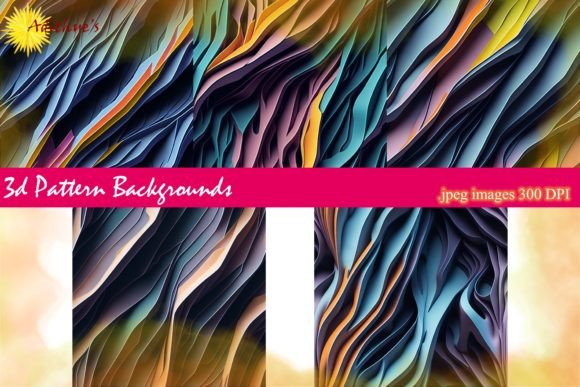
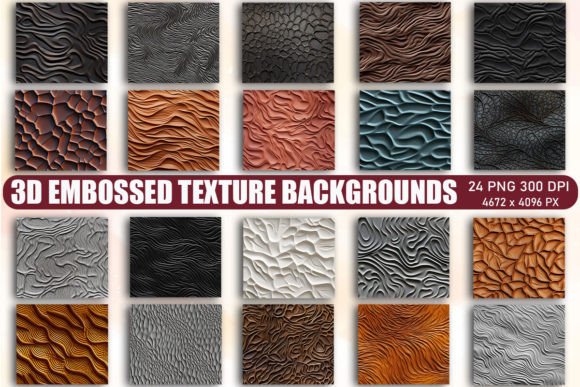
The allure of these backgrounds lies in their ability to trick the eye into perceiving physical depth on a flat screen. Visually, 3D Embossed Texture Backgrounds are defined by intricate interplay of light and shadow. They mimic the look of heavy stock paper or materials that have been mechanically pressed to create a raised pattern. This style often features subtle gradients that suggest a curved surface, creating a sensory experience that flat design simply cannot replicate. The personality of these textures is inherently luxurious, professional, and timeless. They evoke a sense of craftsmanship and attention to detail, which can significantly influence how a viewer perceives a brand's quality.
When incorporating these into a brand identity, the texture does more than fill space; it communicates a message. A subtle, linen-like emboss suggests tradition and reliability, perfect for law firms or financial advisors. Conversely, a geometric, sharp-edged emboss can feel modern and avant-garde, suitable for tech startups or fashion labels. This versatility makes them a powerful tool in graphic design, allowing creators to manipulate the "feel" of a digital asset without writing a single line of code. The high resolution (300 DPI) ensures that whether used in web design or high-end print, the integrity of the shadow and highlight detail remains intact, preserving the illusion of reality.
Strategic Applications: From Digital Interfaces to Tangible Products
The utility of a 3D Embossed Texture Background extends far beyond simple decoration. In digital publishing and web design, these textures serve as excellent foundations for hero sections. Because the patterns are often repetitive or subtle, they provide visual interest without overwhelming the foreground content. This is crucial for maintaining readability. When placing text or UI elements over an embossed surface, the texture adds context and atmosphere, making the design feel complete rather than unfinished.
For social media graphics, where the goal is to stop the scroll, these textures are invaluable. They catch the light in a way that flat colors do not, creating a focal point that draws the eye. Marketing professionals can use them to create premium-looking backgrounds for quotes, product announcements, or event invitations. In editorial design, such as magazine layouts or blog headers, these backgrounds add a layer of sophistication that elevates the perceived value of the content being presented.
However, the application isn't limited to the screen. For packaging design, these assets can be used to mock up concepts or printed directly onto labels to simulate a textured finish. Crafters and hobbyists will find them particularly useful for scrapbooking and card making. The ability to print a digital file that looks and feels like real textured paper opens up a world of possibilities for personalized stationery. Entrepreneurs can also use these textures to create custom banners or backdrops for product photography, ensuring a consistent and high-quality aesthetic across all marketing channels.
Design Workflow: Pairing, Hierarchy, and Practical Usage
Successfully integrating a 3D Embossed Texture Background requires a thoughtful approach to visual hierarchy. Because these textures have a strong visual presence, they pair best with clean, minimal typography. A heavy, distressed grunge font might clash with the refined nature of an emboss, whereas a clean sans serif font or an elegant serif font will complement it beautifully. The goal is to create contrast between the complex background and the simplicity of the foreground text, ensuring the message remains the hero of the composition.
When evaluating font pairings, consider the mood of the texture. If the background features a soft, floral emboss, a script font or handwritten font for headlines can create a romantic, cohesive look. For corporate or technical applications, pairing the texture with a bold, modern sans-serif reinforces a sense of stability and innovation. It is also important to consider the opacity and color of the background. Often, applying a color overlay to the texture allows it to match specific brand guidelines while retaining its dimensional qualities.
From a technical standpoint, the included files (24 high-resolution PNGs) offer immense flexibility. The large dimensions (approx. 4672 x 4096 pixels) mean you can resize the assets to fit specific project needs—whether it's a small business card or a large event banner—without losing quality. This scalability is a hallmark of premium font and asset design, ensuring that your work looks sharp on both retina displays and printed materials. For those working in logo design, these textures can be used as clipping masks to give a logomark a textured fill, adding a unique twist to a standard brand mark.
Final Considerations for Creative Projects
When incorporating these design assets into your workflow, always keep the end-user in mind. While the textures are visually striking, they should support the content, not distract from it. Use them to guide the viewer's eye toward calls to action or key information. The versatility of 3D Embossed Texture Backgrounds makes them a worthy addition to any designer's toolkit, offering a quick way to inject professionalism and creativity into a wide array of projects. By treating these backgrounds as functional elements of brand identity