Pink Faux Fur Texture Backgrounds: Elevate Your Digital Projects
In the crowded digital landscape, capturing attention requires more than just good content; it demands a compelling visual presentation. One of the most effective ways to add depth, personality, and tactile appeal to your work is through the use of high-quality textured backgrounds. Among the myriad options available, Pink Faux Fur Texture Backgrounds stand out as a uniquely versatile and emotionally resonant choice. They offer a blend of softness, luxury, and playful energy that can transform ordinary designs into memorable experiences.
Understanding the Visual Appeal
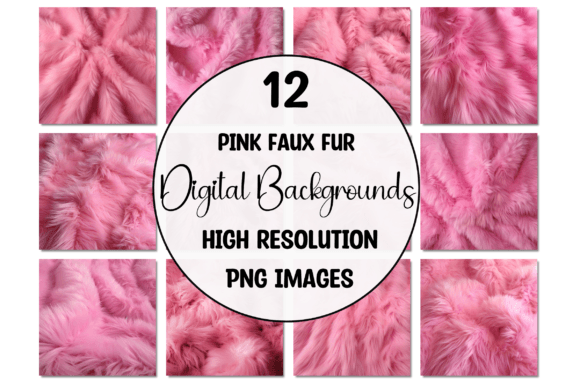
At its core, a Pink Faux Fur Texture Background is a digital art print designed to mimic the look and feel of plush, synthetic fur in various shades of pink. The visual characteristics are immediately striking: rich, saturated color gradients, intricate fiber details that create a sense of depth, and a soft, tactile quality that invites the viewer to reach out and touch the screen. The "personality" of this texture is inherently modern, feminine, and luxurious. It conveys warmth, comfort, and a touch of whimsy, making it a powerful tool for brands and creators looking to evoke specific emotions.
The appeal lies in its ability to bridge the gap between the digital and the physical. In a world of flat colors and sharp vectors, this texture introduces organic irregularity and tactile memory. It’s a design asset that works on a subconscious level, making digital products feel more premium, websites feel more welcoming, and social media posts more engaging. The high-resolution 3600x3600 pixel PNG format ensures that whether you’re using it as a full-bleed background for a website header or scaling it down for a small social media icon, the intricate details and color integrity remain perfectly intact.
Strategic Applications Across Creative Fields
The true strength of Pink Faux Fur Texture Backgrounds is their remarkable adaptability. They are not a one-trick pony but a foundational design element that can be deployed across a wide spectrum of projects with professional results.
For Branding and Marketing: This texture is a secret weapon for crafting a distinctive brand identity. Imagine using it as the backdrop for product photography on an e-commerce site selling cosmetics, loungewear, or artisanal goods. It instantly communicates a sense of softness and care. For entrepreneurs, it can form the background of a logo mark or be integrated into packaging design for a tactile, high-end unboxing experience. Marketers can leverage it for eye-catching social media graphics, email newsletter headers, or digital ad campaigns where standing out is paramount.
For Digital Publishing and Content Creation: Bloggers, podcasters, and online publishers can use these backgrounds to enhance their editorial design. A blog post about self-care, a podcast episode on creativity, or a digital magazine cover gains an immediate stylistic upgrade. Content creators on platforms like Instagram, TikTok, or Pinterest can use it to create cohesive and aesthetically pleasing feeds, story backgrounds, or video overlays that strengthen their visual brand narrative.
For Personal Projects and Craft: The applications extend beautifully into the personal realm. Scrapbookers and junk journal enthusiasts can print these backgrounds to create stunning page foundations for photo memories. They serve as perfect green screen backgrounds for home video calls or family photo sessions, adding a fun and colorful element without needing a physical setup. The possibilities for DIY projects, custom stationery, and personalized gifts are virtually endless.
Integrating Texture into Your Design Workflow
Simply having a beautiful texture is only the first step. The key to professional implementation is thoughtful integration that enhances, rather than overwhelms, your core message.
Establishing Visual Hierarchy: Use the Pink Faux Fur background as a base layer to ground your design. Pair it with clean, high-contrast elements—a bold sans-serif font for headlines, crisp product images with drop shadows, or minimalist icons. The texture adds interest to negative space, allowing you to create a clear focal point for your text or primary graphic. This contrast between the soft, complex background and sharp foreground elements is where modern typography and design principles come into play, ensuring readability and a strong visual flow.
Evaluating Project Fit and Font Pairings: Before applying the texture, consider your project’s tone. Is it playful, luxurious, or comforting? This texture excels in contexts that align with these moods. When it comes to typography, pairing is crucial. A elegant serif font can complement its luxurious side, while a clean sans-serif font can provide a modern, grounded counterbalance. For a more whimsical touch, a carefully chosen script or handwritten font can work, but always test for readability against the textured background. The goal is a harmonious brand identity, not a visual clash.
Practical Considerations: Always remember that this is a digital file. Colors may appear slightly different on various screens, so it’s wise to test how the pink hue interacts with your other brand colors in the actual design software you use. Because the artwork is high-quality and optimized for resizing, you have significant flexibility. Use it at full resolution for print projects or scale it down for web use without worrying about pixelation. While the license typically covers broad commercial use, always review the specific terms provided with your purchase to ensure your intended application—whether for a client project, merchandise, or personal blog—is fully covered.
In essence, Pink Faux Fur Texture Backgrounds are more than just a pretty pattern. They are a strategic design asset capable of adding emotional resonance, tactile quality, and sophisticated style to a vast array of projects. By understanding their characteristics and applying them with intention, you can elevate your creative work, strengthen your brand’s visual language, and connect with your audience on a more sensory level.