Blue Line Flower Backgrounds: Watercolor Botanicals for Designers
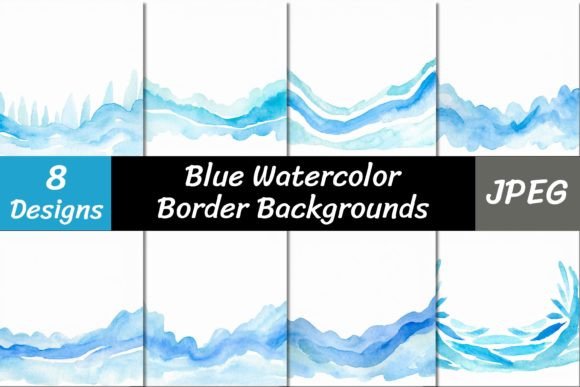
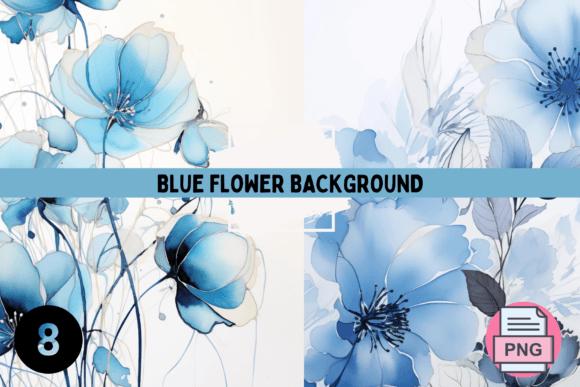
In the world of digital design, finding assets that feel genuinely organic can be a challenge. We often rely on flat vector graphics or heavy textures, but there is a distinct elegance found in hand-painted elements. The introduction of Blue Line Flower Backgrounds offers a solution that bridges the gap between professional utility and artistic authenticity. These backgrounds are not just random patterns; they are an exquisite blue line depiction of blossoms, skillfully rendered in elegant watercolor. They provide a sophisticated, cool-toned palette that evokes calmness and creativity. Whether you are working on a wedding invitation or a corporate presentation, the fluidity of watercolor ink brings a human touch to digital screens.
The Aesthetic Appeal of Hand-Painted Design Assets
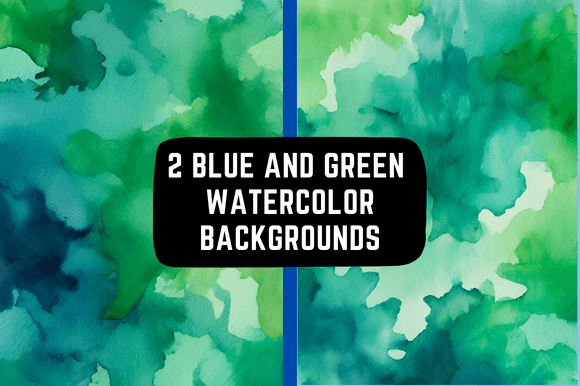
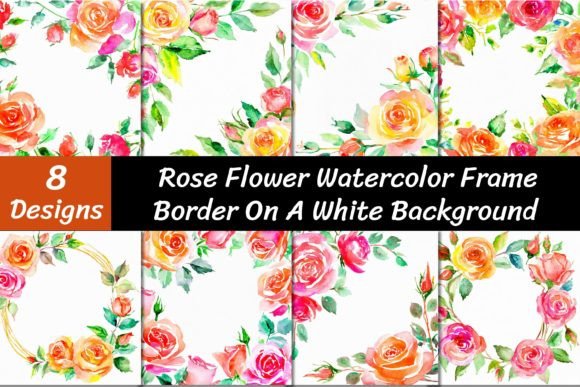
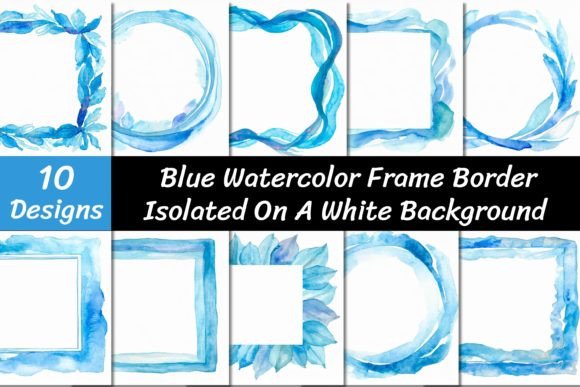
Understanding the visual personality of Blue Line Flower Backgrounds is key to using them effectively. Unlike generic stock photos, these graphics carry the subtle imperfections of watercolor—the way pigment bleeds into paper, the variation in line weight, and the transparency of overlapping strokes. The "blue line" aspect suggests a specific stylistic choice, moving away from the harshness of black ink toward a softer, more integrated look. This creates a canvas that is vibrant without being overwhelming.
For the modern designer, these assets act as a foundation rather than a distraction. They possess a versatility that allows them to support text and imagery rather than competing with it. The aesthetic leans toward a "modern botanical" style, which fits seamlessly into contemporary trends in interior design, fashion, and stationery. It is a style that feels timeless, avoiding the dated look of clip art while maintaining the clarity needed for professional publishing.
Real-World Applications: From Branding to Blogging
The true value of these backgrounds lies in their adaptability across different mediums. As a designer or entrepreneur, you need assets that can scale and adapt. Here is how Blue Line Flower Backgrounds can elevate various projects:
- Brand Identity and Logo Design: For businesses in the wellness, beauty, or lifestyle sectors, these backgrounds offer a distinct visual identity. Using a watercolor texture behind a crisp sans serif font creates a beautiful contrast that feels both professional and approachable. It helps in building a brand personality that is soft yet confident.
- Editorial and Publishing Design: Magazine covers, book jackets, and internal chapter dividers often require texture to break up the monotony of text. The blue line floral elements can be used as full-bleed backgrounds or cropped into specific shapes to frame content. They add depth to flat layouts, making the reading experience more immersive.
- Digital Marketing and Web Design: In web design, large background images can slow down load times, but the provided PNG and PDF formats ensure quality resolution. These backgrounds work exceptionally well for hero sections on websites, particularly for landing pages promoting events, workshops, or creative services. The blue hues are generally safe for web accessibility when paired with high-contrast typography.
- Packaging Design: Physical products benefit greatly from textures that imply quality. A tea box, a candle label, or a skincare product using these backgrounds signals to the customer that care went into the production. The watercolor effect suggests natural ingredients and artisanal quality.
Strategic Use of Typography and Font Pairing
A background is only as good as the content placed on top of it. One of the most common mistakes in design is placing text directly over a busy illustration, rendering it unreadable. When working with Blue Line Flower Backgrounds, typography strategy is paramount. Because these backgrounds feature intricate botanical details, they function best when paired with clean, legible typefaces.
Consider the hierarchy of your information. For headlines, a bold sans serif font often cuts through the visual noise of a watercolor texture effectively. The geometric structure of a modern sans serif provides a necessary anchor against the organic flow of the flowers. Alternatively, a classic serif font can be used to enhance a more traditional, editorial look, particularly if the design is for a high-end publication or a formal invitation.
Avoid using complex script fonts or handwritten fonts directly over the detailed areas of the background. While these fonts have their place, they can easily get lost in the brushstrokes. If you must use a display font for a header, consider placing a semi-transparent shape or a "knockout" box behind the text to ensure legibility. This technique maintains the visibility of the background while creating a safe zone for your typography. The goal is a harmonious relationship where the premium font and the background enhance one another, rather than fighting for the viewer's attention.
Technical Considerations and File Formats
Receiving assets in both PNG and PDF formats is a significant advantage for professional workflow. The PNG format is essential for digital applications. It supports transparency (if cut out) and lossless compression, meaning the watercolor textures will not degrade with pixels or compression artifacts when placed into web builders or social media platforms like Instagram and Pinterest. For social media graphics, where visual impact must be immediate, the high-resolution PNG ensures your posts look sharp on high-DPI screens.
The PDF format is the industry standard for print. When sending designs to a printer, vector-based or high-res PDFs ensure that the blue lines remain crisp and the color profiles are managed correctly. This is crucial for packaging design and large-format printing, such as posters or canvas prints. Having both formats provided eliminates the need for file conversion, which can sometimes introduce errors or reduce image quality.
Evaluating Fit and Commercial Licensing
Before integrating any new design asset into a project, it is wise to evaluate the specific needs of the client or the project scope. While Blue Line Flower Backgrounds are versatile, they are stylistically specific. They convey a mood of elegance, tranquility, and nature. They are perfect for a yoga studio rebrand or a wedding planner's website, but they might feel out of place for a heavy industrial construction firm or a gritty streetwear brand.
When evaluating fit, consider the brand identity you are building. Does the brand voice align with the softness of watercolor? If the answer is yes, these assets can save you hours of illustration time.
Furthermore, understanding the licensing is critical for commercial use. If you are a small business owner or a freelancer, you need to know that you have the rights to use these graphics in client work or products for sale. Always review the terms to ensure the license covers your intended use, whether it is for digital products, physical merchandise, or client presentations. This due diligence protects your business and respects the original artist's work.
Maximizing Impact in Marketing Campaigns
For marketers and content creators, consistency is key. Using the eight provided pages allows for a cohesive visual campaign across multiple touchpoints. You can use one variation for your email newsletter header, another for your Instagram story background, and a third for a downloadable PDF guide. This repetition of visual motifs—specifically the blue line floral style—builds recognition. It tells your audience that they are interacting with a unified brand experience.
These backgrounds also lend themselves well to layering. In web design, you might use the floral element only on the left side of the screen, leaving the right side white or light grey for text. This asymmetrical layout is visually interesting and functional. In social media graphics, you can overlay icons or product photos on top of the watercolor wash to create "mockups" that feel lifestyle-oriented rather than sterile.
Conclusion
Blue Line Flower Backgrounds offer more than just decoration; they provide a foundation for storytelling. By combining the organic beauty of hand-painted watercolor with the practicality of high-resolution digital files, they serve a wide range of creative needs. Whether you are refining a brand identity, designing a magazine layout, or creating engaging social media graphics, these botanical assets bring a level of sophistication that generic templates cannot match. The key to success lies in thoughtful pairing with strong typography and a clear understanding of the project's visual goals. When used with intention, these backgrounds help your projects bloom into life with vibrant, professional elegance.